
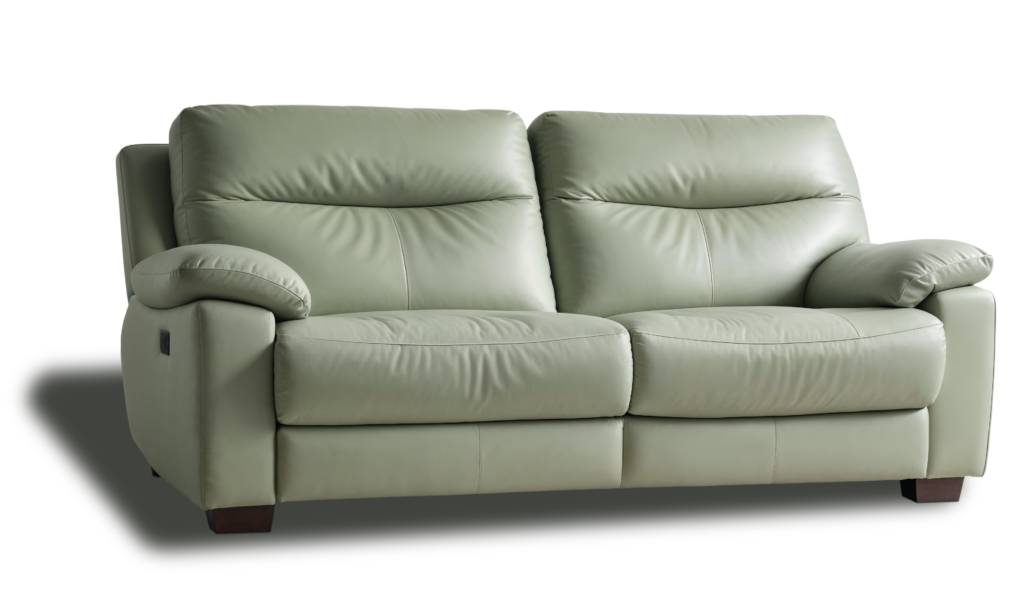
Recliner Mechanisms Explained: Which One Is Right for You?
When you buy a recliner sofa, the fabric and foam get all the attention — but the mechanism underneath is what truly determines your comfort, convenience, and long-term satisfaction. Choose the wrong one and you’ll either be wrestling a stiff lever every evening or paying for motor features you never use.
In this guide, we break down the four main recliner mechanisms available today — manual, motorised, double flip, and double flip with motorised headrest — and tell you exactly which one suits your lifestyle, space, and budget.
What Is a Recliner Mechanism?
A recliner mechanism is the internal hardware system that controls how your sofa’s backrest tilts and footrest extends. It determines the range of motion, the effort required to recline, the number of positions available, and whether the chair needs electricity to operate. Everything from a basic living room chair to a full home theatre setup runs on one of these core mechanism types.
1. Manual Recliner Mechanism
How It Works
A manual recliner operates entirely through physical action — no electricity, no motors. It comes in two main forms. The lever-operated type uses a side-mounted handle that, when pulled, unlocks the backrest and simultaneously extends the footrest. The push-back type responds to your body weight — you lean back against the backrest and the footrest rises automatically. Inside, the mechanism uses counterbalance springs, metal arms, and locking pins that hold the chair at various recline angles.
Typical Recline Range
Most manual recliners offer 3–5 fixed positions, from upright to a recline of around 135–150 degrees. They do not lay flat.
Cost in India
Entry-level manual recliners start from around ₹15,000–₹25,000 per seat for basic leatherette options. Mid-range fabric or genuine leather manual recliners typically fall in the ₹25,000–₹60,000 range per seat. Custom-built manual recliners from studios like Sofenzi can be tailored to your exact frame size, fabric, and finish within this range.
Pros
Manual recliners have fewer moving parts, which means less that can go wrong over time. They are lighter and easier to move around, require no proximity to a power socket, and are straightforward to maintain. A well-built manual mechanism can last 15–20 years with basic care.
Cons
They require physical effort to operate, which can be inconvenient for elderly users or people with joint pain. The number of recline positions is limited compared to motorised options, and push-back types in particular can feel stiff if the springs are not properly tuned.
Best For
Manual recliners are the right choice for living rooms where occasional reclining is the goal — reading, relaxing, or watching television for a few hours. They work well in compact apartments where flexibility of placement matters. If your primary need is a comfortable sofa that reclines now and then without any fuss, manual is your mechanism.
Sofenzi Recommendation: If you want a clean, no-maintenance recliner for your primary living room seating and do not plan to use it for extended movie sessions or daily heavy lounging, go manual. Pair it with high-density foam and a quality fabric for a sofa that lasts decades.
2. Motorised Recliner Mechanism
How It Works
A motorised recliner — also called a power recliner — replaces the manual lever and spring system with one or more electric motors. A single-motor design controls both the backrest and footrest together as one synchronized movement. Dual-motor designs allow the backrest and footrest to move independently, giving you far more precise control. Some premium models use a third motor for the lumbar region. All of this is controlled via a wired side panel, a handset, or a wireless remote. The motors used in quality recliners — such as OKIN from Germany — are engineered for near-silent operation and rated for tens of thousands of cycles.
Typical Recline Range
Motorised recliners can recline to virtually any angle between 90 and 170 degrees, and dual-motor models can achieve a zero-gravity position where your legs are elevated above your heart. This is not possible with manual mechanisms.
Cost in India
Single-motor power recliners typically range from ₹35,000–₹70,000 per seat. Dual-motor versions with independent back and footrest control fall in the ₹65,000–₹1,20,000 range per seat. Premium motorised recliners with massage, heating, and USB charging start from ₹1,00,000 and above per seat. Custom motorised recliners from a studio give you the ability to specify the motor brand, fabric, and frame to suit your room exactly.
Pros
One-touch operation makes them effortless for all ages. The infinite positioning is genuinely useful for people who spend extended time in their recliner — whether reading, napping, or watching films. Many models include battery backup so the chair can still be operated during power cuts, which is a practical consideration in India. Advanced models add massage nodes, heating elements, and USB or wireless charging ports in the armrests.
Cons
Motorised recliners cost significantly more than manual ones. They need a power socket nearby or a battery pack. The motors and wiring add complexity that can require servicing over time. They are heavier and less portable than manual options.
Best For
Motorised recliners are ideal for daily heavy-use scenarios — someone who spends two or more hours a day in their recliner, elderly family members who need gentle support getting in and out of the seat, or anyone recovering from a back, knee, or hip condition. They are also the right choice when precise positioning for health or comfort is important.
Sofenzi Recommendation: If your recliner will be the primary relaxation spot in your home and you use it daily for extended periods, invest in a dual-motor version. The independent control of back and footrest is genuinely useful once you experience it. Ensure your installer fits the sofa within reach of a power socket, or ask for a battery pack option.
3. Double Flip Recliner Mechanism
How It Works
The double flip mechanism is the defining feature of home theatre and cinema recliners. Unlike a standard recliner where the footrest extends in a single motion, a double flip footrest has two articulated sections that fold out in sequence. The first section swings forward to support the lower leg, and the second section extends further to support the feet — creating a fully extended, near-flat leg rest. Combined with a deeply reclined back, this allows the occupant to achieve an almost fully flat sleeping position. The mechanism can be manual (pulled by a handle on the side) or motorised.
This is the mechanism you see in premium cinema seats, high-end home theatre rows, and luxury lounge chairs designed for long sessions.
Typical Recline Range
A double flip mechanism typically offers recline up to 160–175 degrees — essentially flat. This is substantially more than a standard manual recliner and comparable to the best motorised single-flip designs.
Cost in India
Manual double flip mechanisms start from approximately ₹40,000–₹75,000 per seat depending on upholstery and frame quality. Motorised double flip recliners (where the flip is motor-controlled) range from ₹80,000–₹1,50,000 per seat. When built into a custom multi-seat home theatre row with consoles, cup holders, and ambient lighting, the per-seat cost in a studio like Sofenzi will vary based on configuration and materials chosen.
Pros
The near-flat recline position is far superior for long movie sessions, gaming, or afternoon naps. The extended leg support eliminates the pressure point behind the knee that standard single-flip recliners create. It creates a genuine cinema-quality experience at home. Double flip seats also tend to have a more architectural, premium silhouette when upright compared to standard recliners.
Cons
Double flip recliners require significantly more floor clearance than standard recliners — typically 30–40 cm behind and in front when fully extended. They are heavier and more complex to manufacture. The manual version still requires a lever pull, which is slightly more involved than a standard lever due to the two-stage extension.
Best For
Double flip recliners are purpose-built for dedicated home theatre rooms, media rooms, and anyone who genuinely watches films or plays games for 2–3 hours at a stretch. They are the correct choice when you want your sofa to double as a lounger for extended rest. They are also popular in high-end living rooms where a fully flat occasional-sleep position is valued.
Sofenzi Recommendation: If you are building a home theatre row or want a premium lounge seat that goes truly flat, the double flip is non-negotiable. Plan your room layout first — measure how much floor space is available behind the sofa when it fully extends, and design the seating row depth accordingly. At Sofenzi we build these into custom rows with integrated consoles and cup holders.
4. Double Flip Recliner with Motorised Headrest
How It Works
This is the most advanced combination available in residential recliner seating today. It takes the double flip mechanism described above and adds a motorised, independently controllable headrest — a separate motor in the upper backrest that tilts the headrest forward and backward on its own axis. This means you can recline the main body of the chair to a near-flat position and then independently angle your head upward to face a screen — without propping yourself up on a cushion or craning your neck.
The main reclining function may itself be manual or motorised. The headrest motor is almost always electrically operated, controlled by a separate button alongside the main recline controls.
Typical Recline Range
Same as the double flip — up to 160–175 degrees flat — with the added variable of headrest tilt, typically 0–40 degrees forward from neutral.
Cost in India
This is the premium end of the recliner market. Custom double flip recliners with motorised headrests typically start from ₹1,00,000–₹1,50,000 per seat for fabric versions. Leather or premium microfibre versions in a full home theatre configuration can reach ₹1,50,000–₹2,50,000+ per seat depending on brand of motor, console design, and upholstery. The Sofenzi 5-seat home theatre configuration with wireless charging consoles and cooling cup holders is built around this mechanism type.
Pros
This mechanism solves the single biggest ergonomic problem with home theatre seating — the mismatch between screen height and recline angle. When you are lying at 160 degrees but your screen is at a 10-degree downward angle, you need to tilt your head forward to watch comfortably. The motorised headrest lets you do that independently without changing your whole body position. The result is a genuinely relaxed full-body position with zero neck strain, even during a 2-hour film. It is also the most impressive mechanism to demonstrate to guests.
Cons
This is the most expensive mechanism type. It requires two power connections per seat (or a combined power module). Servicing involves two separate motor systems. The headrest motor, while reliable in quality brands like OKIN, is an additional component with a finite lifespan. It adds weight and complexity to the frame.
Best For
Dedicated home theatre rooms where the screen is wall-mounted or positioned higher than seated eye level. Buyers who plan to spend 2+ hours per session in the recliner and want a truly cinematic, zero-compromise comfort experience. Also ideal for users with neck stiffness, cervical issues, or anyone who has specifically struggled with headrest comfort in standard recliners.
Sofenzi Recommendation: If you are serious about your home theatre and your screen is mounted on the wall — as most are — this is the mechanism to specify. The motorised headrest is not a luxury add-on; it is a functional necessity once your body is at a 150-degree recline and your screen is 10 degrees above horizontal. We specifically built our home theatre recliner around this combination for exactly this reason.
Side-by-Side Comparison
| Feature | Manual | Motorised | Double Flip | Double Flip + Motorised Headrest |
|---|---|---|---|---|
| Operation | Lever / push-back | Button / remote | Lever / motorised | Button / remote |
| Recline range | 135–150° | Up to 170° | Up to 175° | Up to 175° |
| Headrest control | Fixed | Fixed / manual adjust | Fixed / manual adjust | Motorised independent |
| Power required | No | Yes | No / Yes | Yes |
| Starting cost (per seat, India) | ₹15,000 | ₹35,000 | ₹40,000 | ₹1,00,000 |
| Maintenance complexity | Low | Medium | Medium | High |
| Best use | Living room | Daily lounging / elderly | Home theatre | Dedicated cinema room |
| Lifespan | 15–20 years | 10–15 years | 12–18 years | 10–15 years |
Which Recliner Mechanism Should You Choose?
Choose manual if you want a reliable, low-maintenance sofa for your living room that reclines occasionally. You save money, gain flexibility on placement, and sacrifice nothing in durability.
Choose motorised if you or a family member uses the recliner daily for extended periods, if mobility is a concern, or if you want precise zero-gravity positioning for health or comfort reasons.
Choose double flip if you are setting up a dedicated media or home theatre space and want a near-flat recline for long sessions. This is also a strong choice for a premium guest bedroom lounge chair.
Choose double flip with motorised headrest if your home theatre screen is wall-mounted and you want a genuinely cinema-grade experience with zero neck strain. This is the mechanism for buyers who refuse to compromise on comfort.
Frequently Asked Questions
Can I get a double flip recliner in a custom fabric in Bangalore? Yes. At Sofenzi Furniture Studio in Bangalore, we build custom recliner sofas in any fabric — including performance fabrics, velvet, and genuine leather — with your choice of mechanism. We work directly from our factory, which means no retail markups.
Does a motorised recliner work during a power cut? Quality motorised recliners can be fitted with a battery backup module that allows full operation for several hours without mains power. This is worth specifying in India given the frequency of power interruptions.
How much wall clearance does a double flip recliner need? A double flip recliner typically needs 30–40 cm of clear space behind the sofa when in the upright position for the backrest to tilt freely, plus the seat itself extends forward by 60–80 cm when fully open. Always plan your room layout before selecting a recliner row configuration.
What motor brand should I look for in a motorised recliner? OKIN (manufactured by DewertOkin in Germany) is widely regarded as the industry standard for quality recliner motors. It is used in premium custom recliner builds including Sofenzi’s home theatre range. It offers near-silent operation, anti-pinch protection, and motors rated for over 20,000 cycles.
Is a double flip mechanism available with manual operation? Yes. The double flip footrest mechanism can be operated either manually via a side lever or motorised via a button. The manual version is more affordable and does not require a power source. For a home theatre setting, the motorised version is generally preferred for convenience.
Built to last. Made in Bangalore. — Sofenzi Furniture Studio Explore our custom recliner sofa range at sofenzi.com